





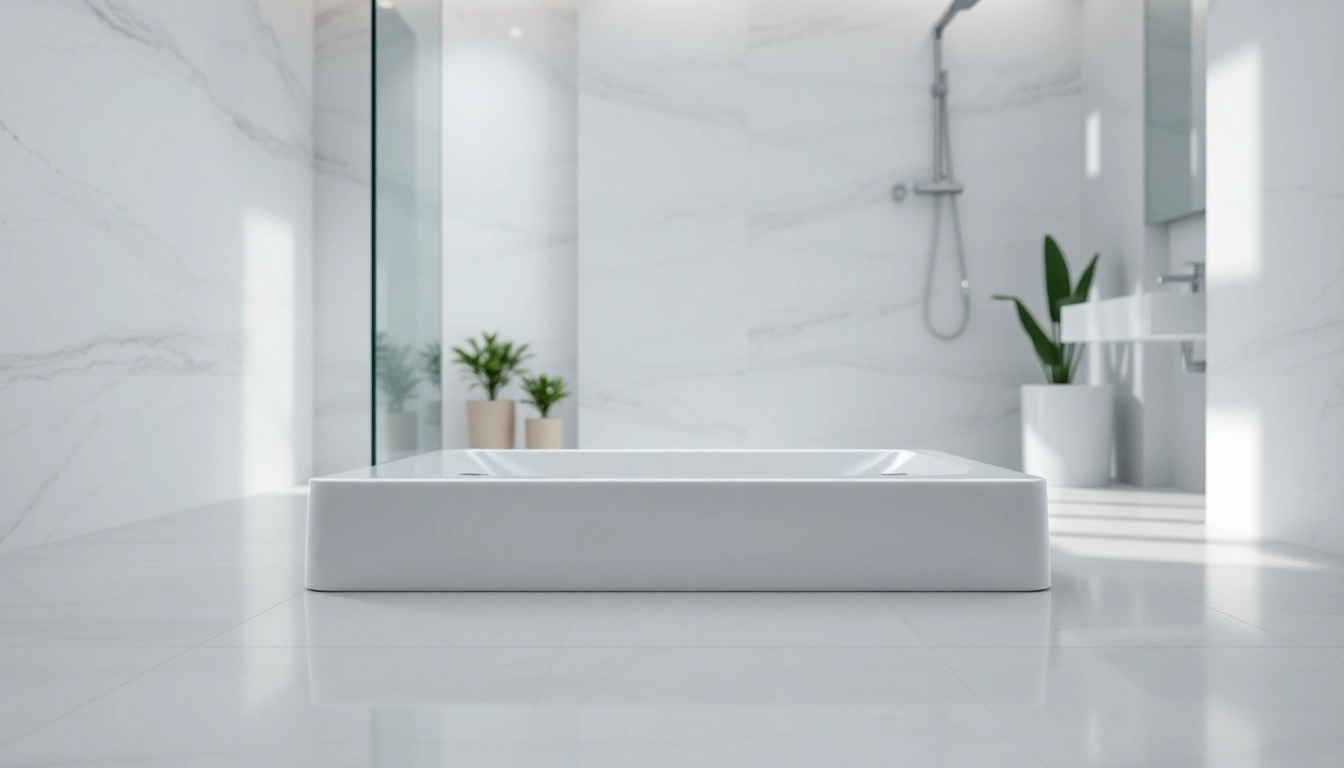
Understanding Shower Base Shower Types
When it comes to renovating or building a bathroom, selecting the right shower base shower is a crucial decision. With various types of shower bases available, understanding each type’s features, benefits, and aesthetics is essential for making an informed choice. This guide delves deep into the popular materials, sizes, shapes, and how to choose the right one based on your bathroom layout.
Popular Materials for Shower Base Shower
The material you select for your shower base directly influences its functionality, aesthetics, and maintenance. Below are some of the most popular materials:
- Acrylic: Lightweight, easy to install, and available in a range of colors. Acrylic shower bases are resistant to fading and cracking, though they may require more frequent cleaning to maintain their shine.
- Ceramic: Durable and available in countless designs, ceramic tile bases can complement any bathroom style. However, they can be cold to the touch and may require grout maintenance.
- Fiberglass: Cost-effective and easy to clean, fiberglass shower bases offer a smooth surface. However, they may not be as durable as other materials and can develop scratches over time.
- Stone Resin: Offering a luxurious feel and high durability, stone resin shower bases mimic the look of natural stone. They are heavier but provide excellent heat retention and a non-slip surface.
- Cast Iron: Extremely durable and often considered a top-tier option, cast iron shower bases have a premium feel and excellent heat retention, but their weight can complicate the installation process.
Sizes and Shapes Explained
Shower bases come in various sizes and shapes, allowing them to fit into different bathroom layouts. Here are some common configurations:
- Square: Typically 36″x36″ or 42″x42″ in size, square bases are ideal for corner installations and provide an efficient use of space.
- Rectangular: Ranging from 30″x60″ to 36″x72″, rectangular shapes can be perfect for larger, more luxurious spaces, allowing for a more expansive shower.
- Neo-Angle: Perfect for tight corners, neo-angle bases fit into spaces that are not suitable for more traditional shapes. They often measure around 36″ on each side.
- Curved: A less common option, curved shower bases offer a soft aesthetic, perfect for modern designs, normally in quarter-circle shapes.
Choosing Based on Bathroom Layout
Your bathroom’s layout largely determines the design of the shower base you need. Consider these factors:
- Space Availability: A compact bathroom may require a corner or neo-angle shower base, while a larger bathroom can accommodate a rectangular model.
- Access and Safety: In a family or elderly-friendly bathroom, opting for a low-threshold or curbless design enhances accessibility.
- Style Preferences: The overall aesthetic of your bathroom should align with the shower base. Modern spaces may benefit from glass and stone resin contrasts, while traditional designs fit better with ceramic or tiled bases.
Benefits of Upgrading to a Quality Shower Base Shower
Investing in a quality shower base shower can transform your bathroom experience. Below are some key benefits you can expect:
Durability and Maintenance
High-quality shower bases excel in durability, standing up to the rigors of daily use without significant wear and tear. Many materials resist staining, scratching, and fading, ensuring that your investment remains visually appealing with minimal maintenance. For example, acrylic and fiberglass bases often only require a mild soap and water solution for cleaning, making upkeep easy and cost-effective.
Design Versatility for Any Bathroom Style
With a broad array of colors, finishes, and textures available, shower bases can complement any décor style. Whether your bathroom is contemporary, traditional, or rustic, selecting a design that seamlessly blends with other elements—such as tiles, fixtures, and cabinetry—enhances the overall aesthetic. Furthermore, unique shapes and sizes cater to personalized needs and preferences, making your bathroom stand out.
Improved Water Drainage Features
Modern shower bases are designed with better drainage systems to mitigate water pooling and enhance safety. Features such as sloped surfaces and integrated drains help facilitate efficient water flow, reducing the risk of slips and falls. Upgrading to a quality shower base can prevent common issues related to water stagnation and enhance your overall bathing experience.
Installation Tips for Shower Base Shower
Whether you’re a DIY enthusiast or hiring a professional, the following tips on installation will help facilitate the process:
Preparing Your Bathroom Space
Before installation begins, clear the area of existing fixtures, and ensure the subfloor is stable and level. Inspect plumbing and electrical aspects if applicable, and have a plan for your layout so everything aligns once the shower base is installed.
Tools and Materials Needed
The following tools and materials are essential for installing a shower base:
- Level
- Drill and bits
- Mortar or thin-set adhesive
- Shower base
- Shower drain kit
- Safety goggles and gloves
Step-by-Step Installation Guide
Follow these steps to install your shower base:
- Measure: Ensure the area is appropriately measured to match your shower base dimensions.
- Dry Fit: Place the shower base in the intended location to check for fit before securing it.
- Install Drain: If needed, install the drain kit on the plumbing below, ensuring it’s tight and leak-free, following the manufacturer’s directions.
- Set Base: Apply mortar or adhesive to the floor, then position the shower base, ensuring it’s level.
- Secure: Follow up by securing the base to the substrate as per the instructions provided with your unit.
- Finishing Touches: Once secured, complete the installation with any additional plumbing or wall attachments required.
Common Issues with Shower Base Shower
Regardless of how careful you are during installation or use, common issues can arise with shower bases. Here are a few challenges and solutions:
Addressing Cracks and Chips
Material-based deterioration can cause cracks or chips. To repair small cracks, use a repair kit designed for your specific material, following the instructions closely for best results. If the damage is extensive, consider replacing the affected section or entire base for long-term durability.
Dealing with Uneven Surfaces
Uneven floors can lead to improper drainage, affecting the shower’s functionality. To address this, use a level to assess the surface. If there are significant dips or rises, leveling compound may be needed, or in severe cases, consult a professional for resurfacing options.
Preventing Mold and Mildew Growth
Mold and mildew thrive in damp areas. To prevent growth, ensure your shower base is designed for optimal drainage. Regular cleaning and ventilation are key—after each use, wipe down surfaces and keep the bathroom well-ventilated.
FAQs About Shower Base Shower
What is the best material for a shower base shower?
Options like acrylic, ceramic, and fiberglass offer durability and style. Choose based on budget and aesthetics.
How do I clean my shower base shower?
Use a gentle cleaner and soft cloth to avoid scratches. Regular cleaning helps maintain its appearance.
Can I install a shower base shower myself?
Yes, with proper tools and guidance, DIY installation is possible, although professional help may ensure quality.
What sizes do shower base showers come in?
Shower base showers are available in a variety of sizes to fit different bathroom layouts. Choose according to your space.
How can I prevent water pooling in my shower base shower?
Ensure proper installation and check for any drainage issues. Regular maintenance helps maintain effective drainage.




More Stories
KING88 Showdown: Ranking the Top Online Gaming Experiences in 2026
The Modern Approach to rolex super clone watches in 2026
What Are the Best Razanomade Features for Fragrance Enthusiasts in 2026?