


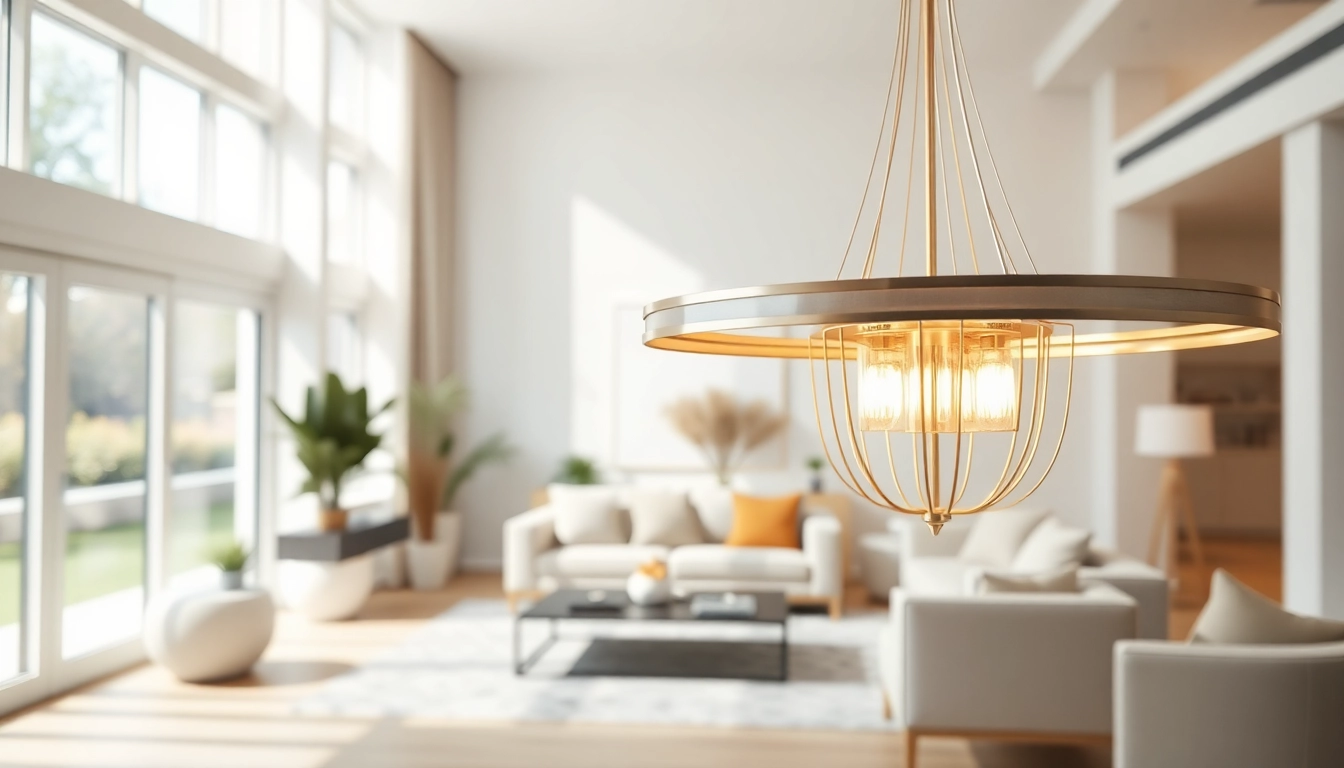
Understanding Modern Lighting Trends
In the realm of interior design, lighting plays a crucial role in shaping the look and feel of a space. As homeowners increasingly prioritize aesthetics alongside functionality, understanding modern lighting trends becomes essential. Innovations in design, materials, and technology have formed a dynamic landscape where lighting is not merely a utility but also a pivotal element of style. For those ready to elevate their spaces, now is the perfect time to Shop ModernLighting.
Current Design Aesthetics
Today’s lighting trends reflect a variety of design aesthetics, each catering to specific tastes and lifestyles. Minimalism, for instance, emphasizes clean lines and simplicity, often featuring geometric shapes. On the other hand, industrial design embraces raw materials like metal and unfinished wood, presenting a rugged charm. When selecting lighting fixtures, consider how they complement the existing design of your home. Seamless integration promotes a cohesive look that can enhance the overall appeal.
Materials and Finishes
Modern lighting fixtures are often crafted from an array of materials, each contributing to the fixture’s aesthetic and functionality. Metal remains a popular choice, ranging from sleek chrome to brushed brass, which adds warmth and elegance. Glass is another favored material, especially when creating ambient lighting, as it diffuses light beautifully. Additionally, eco-friendly options crafted from sustainable materials are on the rise, allowing design-conscious consumers to make responsible choices without compromising style.
Color Schemes and Lighting Effects
Color schemes have a significant impact on the perception of lighting in a space. Warm tones, such as soft yellows, foster a cozy atmosphere, while cooler shades tend to evoke a more modern feel. Furthermore, the advent of smart lighting technology allows users to control the color temperature and intensity of their light fixtures. This innovation facilitates the creation of different moods simply through the adjustment of lighting effects, enhancing the flexibility of home ambiance.
Choosing the Right Fixtures for Your Home
Selecting the proper lighting fixtures is essential for achieving both functionality and style in your home. Understanding how different fixtures serve various purposes can streamline this process and help align choices with individual needs and aesthetic preferences.
Dining Room Essentials
The dining room serves as a gathering place, making it critical to establish an inviting atmosphere. Pendant lights are a popular choice for dining areas, often hung above the table to provide focused lighting. Consider fixtures that offer dimming options to adjust the brightness according to the time of day or occasion. Additionally, ensure that the height at which you hang the fixture complements the overall scale of the room for a balanced appearance.
Living Room Ambiance
Living rooms function as multi-purpose areas, where both relaxation and entertainment take center stage. Layering is key in this space; a mix of overhead fixtures, floor lamps, and table lamps can create a dynamic environment. Opt for fixtures with adjustable features to shift the ambiance, whether aiming for an active social gathering or a quiet evening in. Color temperature is also crucial; warmer hues can create a more relaxed setting, while brighter tones can energize a room full of guests.
Task Lighting Solutions
Task lighting focuses on illuminating specific areas where activities like reading, cooking, or studying take place. Desk lamps, under-cabinet lights, and reading sconces are essential fixtures for these functions. When selecting task lighting, prioritize adjustable features that allow for pinpointed beams. Brightness should also be considered, with most task areas benefiting from high-lumen output to ensure clarity and comfort during use.
Installing and Maintaining Your Lighting
Once you’ve selected the perfect lighting fixtures, the next step involves proper installation and maintenance to ensure they function optimally and enhance your space effectively.
Basic Installation Tips
Before beginning installation, familiarize yourself with local electrical codes and, if necessary, consult a professional electrician. For many fixtures, mounting brackets or electrical boxes will need to be securely fastened. Always ensure that the power is turned off before working with wiring to avoid hazards. Additionally, carefully follow the manufacturer’s instructions to prevent misalignment or inadequate support of the fixture.
Cleaning and Care
Regular maintenance is essential for preserving the appearance and functionality of lighting fixtures. Dust and grime can accumulate, dulling the finish and decreasing brightness. Use a soft, damp cloth for cleaning, avoiding harsh chemicals that might damage finishes. For glass fixtures, a mild glass cleaner and microfiber cloth provide an effective solution. Schedule cleaning based on usage; high-traffic areas may require more frequent attention.
Safety Precautions
Safety should always be a top priority, particularly when dealing with electrical components. Ensure that all wiring is securely connected and that fixtures are installed properly to prevent electric shocks or fires. Use light bulbs that correspond to the manufacturer’s specifications for wattage and type. Regularly check cords for frays or damage, and replace any fixtures that show signs of wear or malfunction.
Incorporating Smart Lighting
As technology continues to develop rapidly, smart lighting solutions are becoming increasingly prevalent in modern homes. These systems offer enhanced functionalities that traditional lighting cannot match.
Benefits of Smart Technology
Smart lighting systems allow users to control their fixtures conveniently from mobile devices or through voice commands. This ability facilitates customizable settings for brightness and color, as well as automated schedules. Additionally, many smart lighting solutions enhance energy efficiency, leading to reduced electricity bills. With the ability to create ambiance at the touch of a button, they offer tremendous flexibility for homeowners adapting their spaces for any occasion.
How to Choose Smart Fixtures
When selecting smart lighting fixtures, consider compatibility with existing home automation systems. Look for options that support popular platforms like Amazon Alexa or Google Assistant. Additionally, evaluate the range of options, from smart bulbs to integrated smart fixtures, ensuring they meet your aesthetic and functional needs. Features such as dimming capability and color temperature adjustment can further enhance your user experience.
Implementation in Different Rooms
Implementing smart lighting varies by room and its intended use. In the living room, consider using color-changing bulbs to set a festive mood or dimmable options for movie nights. In the kitchen, under-cabinet smart lighting can provide task-oriented illumination for food prep, while in the bedroom, soft, adjustable lighting promotes relaxation and sleep. Tailoring your smart lighting solutions to specific spaces enhances their effectiveness and aligns with personal preferences.
FAQs on Modern Lighting
What styles of modern lighting are available?
Modern lighting styles include minimalist, industrial, mid-century modern, and contemporary, each offering unique aesthetics to fit various design themes.
How do I choose the right size fixture?
To choose the right size fixture, consider the dimensions of the room and the height of the ceilings. A general rule is to add the room dimensions (in feet) to determine the fixture diameter (in inches).
Are LED bulbs better for modern lighting?
Yes, LED bulbs are more energy-efficient, have a longer lifespan, and can offer similar or superior brightness compared to traditional incandescent bulbs, making them ideal for modern lighting.
How can I create different moods with lighting?
Varying light intensity, color temperature, and using dimmers or smart bulbs can create different moods. Warmer colors promote relaxation, while brighter, cooler lights enhance energy and focus.
What maintenance does modern lighting require?
Modern lighting requires regular cleaning to remove dust and debris, checking for any signs of wear or malfunction and ensuring that bulbs and fixtures are functioning properly.