Understanding the Role of a Roofing Company
When it comes to the integrity of your home, one of the most critical components is the roof. It's not just a protective barrier; it's a vital structure that contributes to the overall safety and efficiency of your household. Understanding the role of a roofing company provides insight into how these professionals safeguard your home investments and enhance your property’s value. A skilled Roofing company plays multiple roles, from installation to maintenance and repairs, ensuring that your roofing system is up to standard and comprehensive in its service offerings.
What a Roofing Company Offers
A roofing company provides a wide array of services that cater to both the functional and aesthetic needs of your roof. Typically, these services include roof inspections, repairs, complete installations, and even emergency services. Beyond mere functionality, roofing companies offer valuable guidance on the best materials and designs to match your home’s architecture and climate needs. Having the expertise to recommend energy-efficient options and conduct rigorous inspections helps ensure that your roof not only looks good but also performs well.
Importance of Professional Expertise
The significance of professional expertise cannot be overstated in roofing projects. A poorly executed roofing job can lead to leaks and structural issues, potentially resulting in costly repairs down the line. By hiring a professional, property owners gain access to skilled labor that understands the intricacies of roofing systems, local building codes, and safety regulations. This expertise significantly minimizes the risks associated with DIY projects and ensures that your roof performs optimally for many years.
Common Services Provided by Roofing Companies
Common services provided by roofing companies can vary widely but generally include:
- Roof Inspections: Necessary for assessing current conditions and identifying potential issues.
- Roof Installation: This involves selecting and installing materials that suit the architectural style and climate.
- Roof Repair: Addressing leaks, damaged shingles, or structural concerns to prolong roof life.
- Maintenance Services: Regular upkeep to prevent weather-related damages.
- Emergency Services: Immediate response for damage due to severe weather or accidents.
Key Factors to Consider When Choosing a Roofing Company
Choosing the right roofing company is crucial for ensuring a successful project. With various options available, it's essential to evaluate several key factors to make an informed decision.
Evaluating Experience and Qualifications
Experience matters significantly, as seasoned roofing companies have likely encountered a wider range of issues and project types. Check for qualifications that include licensing, insurance, and pertinent certifications. A reputable company will be transparent about its credentials, which can provide you with peace of mind about their abilities to handle your roofing needs.
Understanding Customer Reviews and Ratings
Customer reviews and ratings are invaluable resources that provide insight into the company's past performance. Look for reviews on trusted platforms and social media; this feedback can reveal significantly about the quality of service, reliability, and overall customer satisfaction. Be cautious, however, as some reviews may be curated; thus, a mix of large quantities and the overall tone of comments will give you the best view of what to expect.
Comparing Quotes and Services
Not all roofing companies provide the same services or pricing structure. It's essential to request quotes from multiple companies, ensuring you compare not just prices but also the specifics of the services offered. Look for red flags such as unreasonably low quotes, which may indicate subpar material or no added services such as warranties or maintenance. The goal is to find the best value for your investment rather than merely the cheapest option.
Residential Roofing: Types of Materials and Techniques
Understanding the different types of roofing materials and installation techniques is essential for homeowners considering a new roof or replacement. The right choices can enhance your home’s aesthetic and energy efficiency.
Popular Roofing Materials
There are numerous roofing materials available, each with unique advantages. The most popular include:
- Asphalt Shingles: Widely used and appreciated for affordability and ease of installation.
- Metal Roofing: Known for its durability and energy efficiency; an excellent choice for extreme weather.
- Clay and Concrete Tiles: Offer longevity and distinctive style, particularly in warmer climates.
- Wood Shingles and Shakes: Provide a rustic appearance but require regular maintenance to prevent decay.
- Slate: Incredibly durable and adds a classic appeal, suitable for upscale homes, though it’s more expensive.
Installation Techniques Explained
The installation technique can vary significantly based on the material chosen. Proper installation is key to ensuring the longevity of the roof. For instance, asphalt shingles are typically installed via an overlapping method, while metal roofs might require specific fastening systems depending on design parameters. Experienced roofing professionals follow best practices to ensure proper ventilation and waterproofing, significantly affecting the roof's lifespan and performance.
Benefits of Upgrading Your Roofing Materials
Upgrading your roofing materials can lead to numerous benefits, including improved energy efficiency, enhanced curb appeal, and increased property value. Newer materials often offer better insulation, which helps reduce utility costs over time. Additionally, with advancements in technology, modern roofing materials are typically more durable, requiring less maintenance and offering extended warranties compared to older, traditional materials.
Maintenance Tips for Your Roof
Regular roof maintenance is essential to preserving the life of your roof and preventing costly repairs. Here are crucial maintenance tips to consider.
Regular Inspections and Their Importance
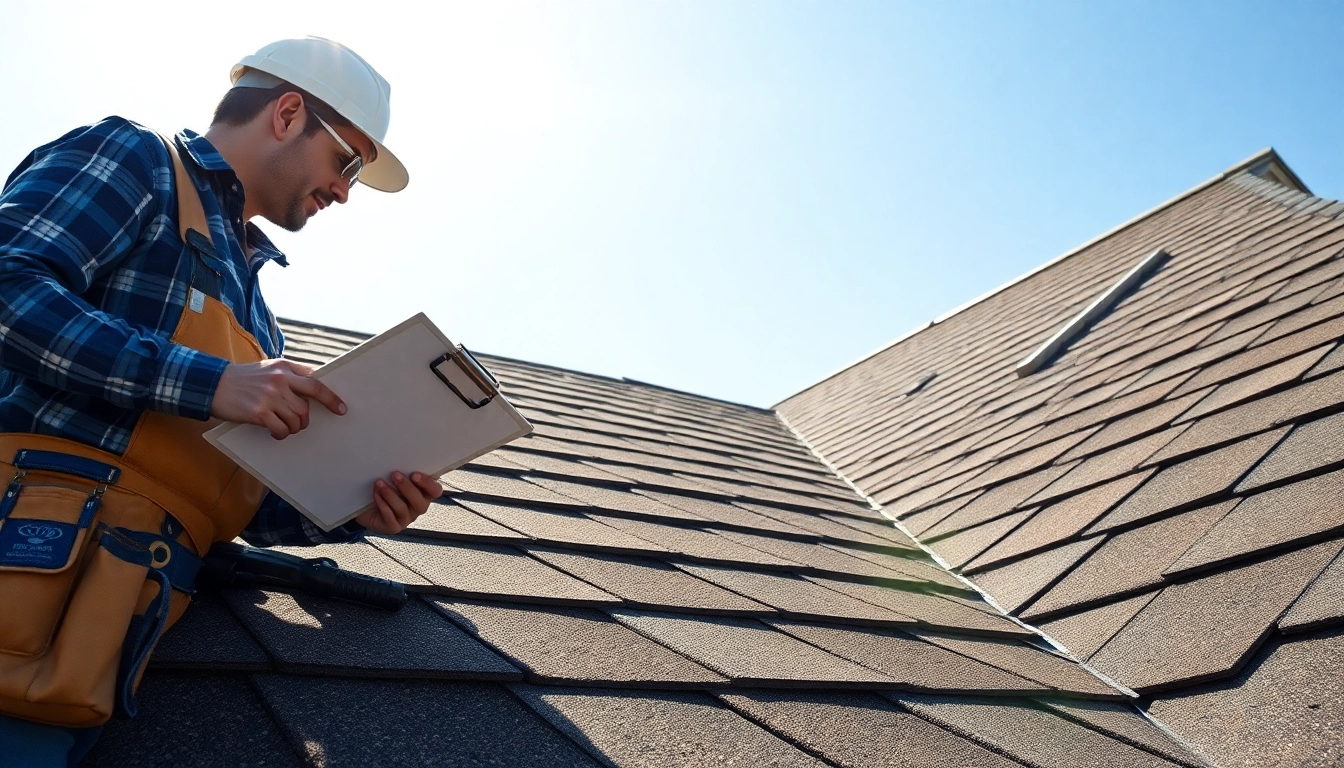
Schedule regular roof inspections at least twice a year and after severe weather events. Inspections help identify potential issues before they escalate into significant problems, saving money and prolonging the roof's life span. Professionals can spot subtle signs of damage or wear that homeowners may miss.
Common Roof Issues and Solutions
Common problems include leaks, missing shingles, and mold growth. Timely repairs, such as replacing damaged shingles or applying waterproofing solutions, can mitigate further damage. Using roofing sealants can prevent leaks from developing into larger issues, while regular cleaning can inhibit mold and mildew growth, improving both appearance and health aspects.
When to Call Your Roofing Company for Help
Recognizing when to call a roofing company is vital. If you notice persistent leaks, structural sagging, or extensive shingle damage, it’s time to seek professional help. Additionally, if you’re considering significant upgrades or replacements, a professional evaluation can help you determine the best course of action, tailoring solutions to your specific needs.
FAQs About Roofing Company Services
What should I ask when hiring a roofing company?
Inquire about their experience, insurance, licensing, materials they recommend, and warranties offered. Asking for references can also provide insights into their work quality.
How often should I have my roof inspected?
It’s advisable to have your roof inspected at least twice a year, particularly before and after severe weather seasons, to catch issues early.
What types of warranties do roofing companies offer?
Warranties can vary by company and material and usually cover workmanship, material defects, and sometimes, damage from certain weather events. Ensure you understand the terms clearly.
Can roofing companies assist with insurance claims?
Yes, many roofing companies are familiar with the claims process and can assist in documenting damages and communicating with your insurance provider to facilitate the claim.
How long does a new roof installation typically take?
The duration depends on the size and complexity of the roof, but it usually takes a few days to a week to complete a full installation.