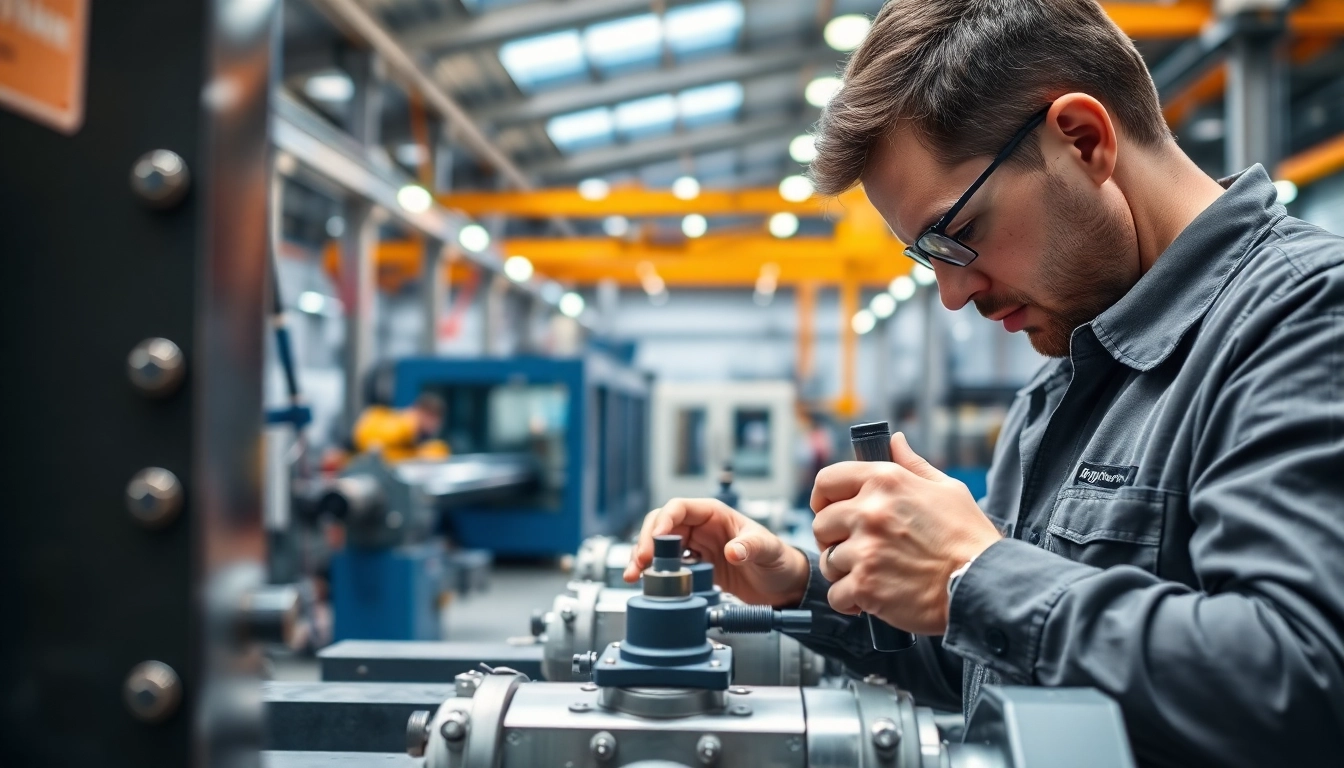
Understanding Vibration Control
What is Vibration Control?
Vibration control refers to the methods and practices employed to manage and mitigate excessive vibrations in machinery and structures. It encompasses various techniques and technologies aimed at reducing the amplitude and frequency of vibrations caused by operational processes, external forces, or environmental conditions. The primary objective of vibration control is to enhance the performance and lifespan of equipment while ensuring safety and comfort for users and operators.
The Importance of Vibration Control
Effectively managing vibrations is crucial in a wide array of industries, including manufacturing, aerospace, and construction. Proper Vibration Control can lead to numerous benefits such as improved operational efficiency, reduced maintenance costs, and increased safety, particularly in environments where heavy machinery operates. Additionally, vibration control can prevent damage to sensitive equipment, reduce noise pollution, and enhance product quality by maintaining precision in operations. Neglecting vibration control can result in catastrophic failures, costly downtimes, and potential hazards to worksite safety.
Common Vibration Sources
Vibrations can originate from various sources, including:
- Rotating Machines: Motors, pumps, and turbines typically produce vibrations due to imbalances or misalignments.
- External Forces: Environmental factors such as earthquakes, wind, and human activities can induce vibrations in structures.
- Impact Forces: Impacts from falling objects or dropped tools create sudden vibrations that can affect nearby machinery.
- Operational Activities: Manufacturing processes like stamping, drilling, or welding often generate vibrations that require control measures.
Key Methods of Vibration Control
Passive Vibration Control Techniques
Passive vibration control techniques utilize materials and structures to absorb and disperse vibrational energy without the need for external power. These methods include:
- Damping Materials: Items such as rubber pads and viscoelastic materials are designed to absorb vibrations, reducing transmission.
- Mass Spring Systems: Using springs and masses configured to disrupt the paths of vibrations effectively mitigates the impact on sensitive equipment.
- Isolation Systems: Installing systems that physically separate vibrating machinery from surrounding structures can limit the spread of vibrational energy.
Active Vibration Control Systems
Active vibration control systems involve technologies that use sensors and actuators to counteract vibrations dynamically. Some key components include:
- Sensors: Devices that detect vibrations in real-time, providing feedback to control systems.
- Control Algorithms: These calculate the necessary adjustments based on detected vibrations and generate commands for actuators.
- Actuators: Mechanisms that apply counteracting forces to mitigate vibrations in real-time, effectively balancing out the unwanted motions.
Hybrid Approaches to Vibration Control
Hybrid approaches combine both passive and active techniques, offering a comprehensive solution to vibration control challenges. This may involve:
- Smart Materials: Utilizing materials that adapt their properties in response to vibrations, thereby providing both passive damping and active adjustments.
- Integrated Systems: Developing systems that automatically switch between passive and active controls based on real-time vibration data ensures optimal performance under varying conditions.
Implementing Vibration Control Solutions
Assessing Vibration Levels
Before implementing vibration control solutions, it's essential to assess the vibration levels within your machinery and environment. Techniques for assessment include:
- Vibration Measurement Tools: Utilizing handheld vibration analyzers or continuous monitoring systems to gather data.
- Root Cause Analysis: Identifying the source of excessive vibrations through diagnostic testing and analysis for effective mitigation.
- Baseline Measurements: Establishing baseline vibration levels to determine the necessity and effectiveness of control measures.
Choosing the Right Equipment
Selecting the appropriate vibration control equipment is vital for effective implementation. Considerations include:
- Type of Vibration: Assess whether the vibrations are occasional or continuous, low-frequency or high-frequency, and select equipment accordingly.
- Space Constraints: Ensure that the chosen equipment fits within the available space while providing adequate performance.
- Cost vs. Benefit: Evaluate the cost of vibration control solutions against the potential benefits in terms of reduced wear on equipment and downtime.
Installation Best Practices
Proper installation is critical in ensuring the efficacy of vibration control systems. Best practices include:
- Follow Manufacturer Guidelines: Adhere strictly to the manufacturer's installation instructions to ensure proper functioning.
- Professional Installation: If necessary, engage professionals who specialize in vibration control solutions to ensure optimal setup.
- Testing Post-Installation: Conduct thorough testing after installation to verify that vibration levels have been effectively reduced and that the system operates as intended.
Case Studies in Vibration Control
Successful Applications in Manufacturing
In the manufacturing sector, vibration control has been successfully implemented to enhance productivity and minimize equipment failures. One notable case is the use of vibration isolation pads in CNC machines, significantly reducing operational downtime and maintenance costs. Establishing comprehensive vibration control measures led to increased production rates and overall efficiency.
Aerospace Industry Solutions
The aerospace industry faces unique challenges related to vibrations due to the sensitivity of its systems. In one case, active vibration control was successfully integrated into aircraft wings, allowing for adjustments in real-time to minimize stress and potential damage. Implementing such systems not only increased safety but also improved the aircraft's overall performance and lifespan.
Lessons Learned from Vibration Control Failures
While the benefits of vibration control are significant, failures can offer valuable lessons. Instances where inadequate analysis or poor installation led to system failures emphasize the importance of thorough assessments and adherence to industry standards. Learning from these challenges can prevent future mistakes and foster innovative solutions in vibration management.
Measuring the Effectiveness of Vibration Control
Key Performance Metrics
The success of vibration control measures can be evaluated through various key performance metrics, including:
- Reduction of Vibration Levels: Measuring decreases in vibration amplitude and frequency is crucial for assessing effectiveness.
- Equipment Lifespan: Tracking improvements in machinery longevity can indicate successful vibration management.
- Operational Downtime: Analyzing reductions in downtime due to maintenance or failures shows the impact of effective vibration control.
Tuning and Maintenance of Control Systems
Regular tuning and maintenance are key to the sustainable effectiveness of vibration control systems. Considerations include:
- Routine Inspections: Conducting periodic inspections helps identify wear and tear and ensures systems are functioning optimally.
- Adjustments: Fine-tuning systems in response to environmental changes can prolong the equipment’s efficiency.
- Documentation: Keeping detailed records of performance and maintenance helps track patterns and enables proactive interventions.
Future Trends in Vibration Control Technology
Emerging technologies continue to shape the future of vibration control. Some notable trends include:
- Smart Sensors: Advances in sensor technology are enabling more accurate, real-time measurements of vibration levels and conditions.
- AI-Driven Solutions: The integration of artificial intelligence can enhance predictive maintenance and automate adjustments in real-time based on data analysis.
- Eco-Friendly Materials: New materials that offer superior vibration dampening properties while being environmentally friendly are on the rise.
FAQs
What are the main benefits of vibration control?
Vibration control improves equipment lifespan, enhances safety, and increases operational efficiency, leading to reduced repair costs and downtime.
How do I know if my machinery needs vibration control?
Signs that your machinery needs vibration control include excessive noise, noticeable wear and tear, and diminished accuracy in performance.
Can vibration control be applied in residential settings?
Yes, vibration control measures can be beneficial in residential settings, helping to reduce disturbances from appliances and external noise.
What types of materials are used in vibration control systems?
Common materials in vibration control systems include rubber, neoprene, and proprietary foams designed to absorb or dissipate vibrational energy effectively.
How can I maintain vibration control systems?
Maintaining vibration control systems involves regular inspections, timely adjustments, and ensuring environmental conditions are optimal for performance.