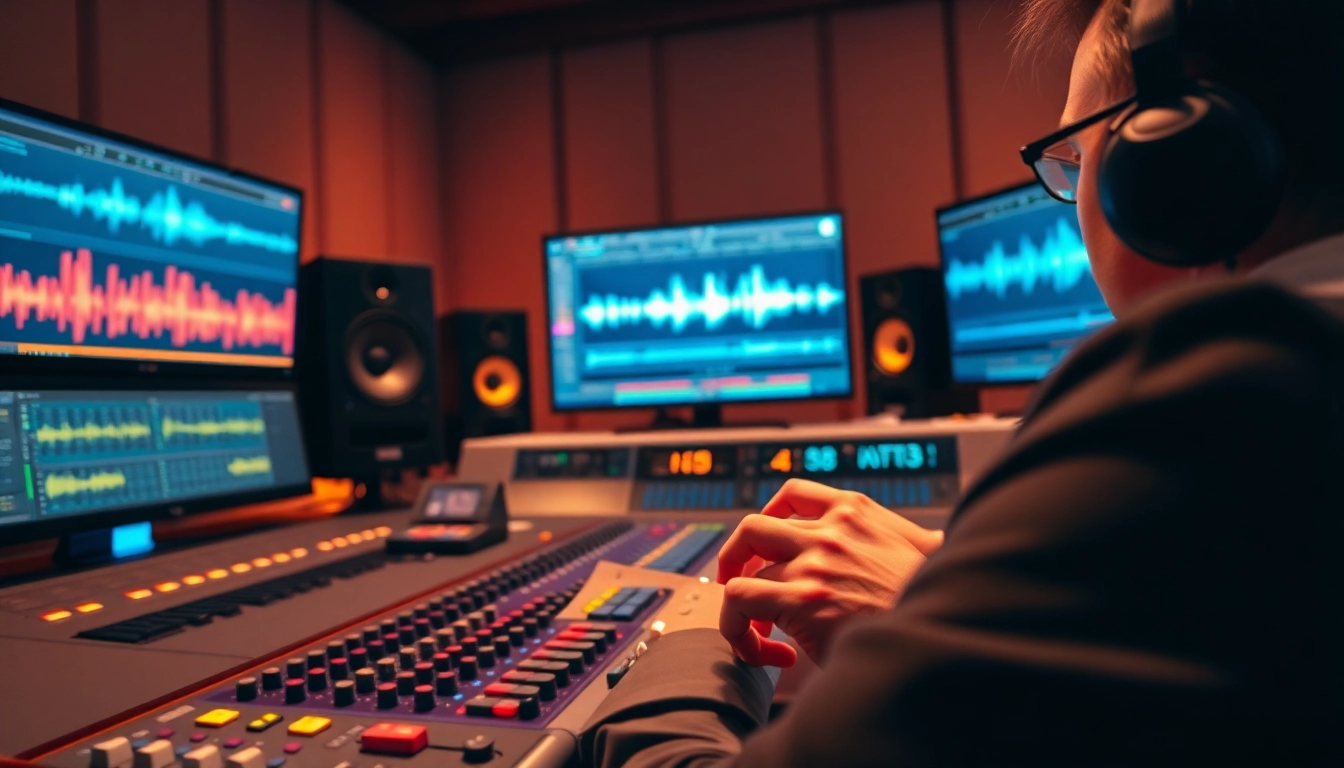
Understanding Online Audio Mastering
What is Online Audio Mastering?
Online audio mastering is the final step in the music production process, where a track is polished and prepared for distribution. This process involves enhancing the overall sound quality, ensuring consistency across different playback systems, and optimizing tracks for various formats. It typically includes adjustments to equalization, dynamics, stereo imaging, and limiting to achieve a professional finish. With advancements in technology, artists can now leverage online audio mastering services, making high-quality mastering more accessible than ever.
Benefits of Online Audio Mastering
The benefits of utilizing online audio mastering services are manifold. Firstly, they provide access to professional audio engineers with extensive experience in mastering. This expertise can lead to better sound quality compared to in-house or DIY attempts. Secondly, the convenience offered by online platforms allows for easy submission and quick turnaround times, often within days. Additionally, online mastering services often come at a lower cost than traditional studios, making them budget-friendly options for independent artists without sacrificing quality.
How Online Audio Mastering Works
The online audio mastering process generally begins with the artist or producer uploading their final mix to a mastering platform. The user usually selects from different packages based on their needs, such as track length, number of revisions, and specific mastering features. After submission, audio engineers review the mix, conduct necessary adjustments using professional software and plugins, and deliver the master track to the client. Most services also provide feedback loops, allowing artists to request alterations until they are satisfied with the final product.
Choosing the Right Online Audio Mastering Service
Factors to Consider
When selecting an online audio mastering service, several key factors should be considered. Firstly, evaluate the qualifications and experience of the mastering engineers involved. Look for reviews that speak to their mastery of various genres, as different styles may require unique approaches. Secondly, consider the pricing structure and what is included in each package. Transparency in services and turnaround times is essential. Finally, ensure that the platform supports the audio formats you use, and check for additional features like multiple revisions or stem mastering.
Comparing Services and Packages
To effectively compare online audio mastering services, create a checklist of features that matter most to you. Features may include the types of processing (e.g., EQ, compression), the number of masters you can get under a single package, and the timeframe for delivery. Some services may offer in-depth consultations, while others provide automated mastering. Additionally, consider the platform's user interface for ease of use and support options if you encounter any issues during the submission process.
User Reviews and Recommendations
User feedback is a pivotal resource when narrowing down your options for online audio mastering services. Look for independent reviews from artists who have used the service, paying close attention to comments about turnaround time, communication, and the overall quality of the final product. Recommendation forums and social media groups, particularly those dedicated to audio production, can also be invaluable for gathering insights and personal experiences from other musicians and producers.
Preparing Your Tracks for Online Audio Mastering
Best Practices for Submission
Preparation is critical when submitting your tracks for online audio mastering. First, ensure that your mix is finalized and well-balanced before uploading, as mastering engineers will work with what is provided. It’s advisable to leave headroom, typically around -6 dB, to avoid clipping. Additionally, providing notes regarding your musical vision can help mastering engineers understand your goals. Always double-check the specifications required by the service, including format and sample rate, to avoid discrepancies and delays.
Common Mistakes to Avoid
Several common pitfalls can hinder the mastering process. One mistake is submitting an unbalanced mix, where certain elements overpower others, leading to a less than optimal master. Over-compression is another pitfall, which can rob a track of its dynamic range and introduce unwanted artifacts. Lastly, neglecting to test your track on various playback systems can result in an excellent sounding master that falls flat when played elsewhere. To avoid these errors, take the time to review your final mix critically.
Setting the Right Specifications
When preparing tracks for online audio mastering, adhering to the correct specifications is crucial for ensuring optimal results. Most mastering services will request audio files in specific formats, commonly WAV or AIFF, at high sample rates of 44.1kHz or higher. It’s also essential to provide the correct bit depth (usually 24-bit) to allow mastering engineers sufficient dynamic range during the process. By following these guidelines, you can set your tracks up for success.
Techniques in Online Audio Mastering
Key Processes in Audio Mastering
Audio mastering encompasses a variety of techniques aimed at enhancing final mixes. The primary processes include equalization (EQ), dynamic range control (compression), stereo enhancement, and limiting. EQ allows for correcting frequency imbalances or enhancing certain tonal qualities, making the track sound more polished. Compression helps control the dynamic range for consistency, while stereo enhancement techniques widen the mix to create depth. Limiting ensures that the final track achieves the desired loudness without clipping.
Using Software and Plugins
Modern online audio mastering services leverage advanced software and plugins to achieve high-quality results. Prominent mastering software includes iZotope Ozone, Waves plugins, and FabFilter Pro-L. Each of these tools provides a suite of effects and features tailored for mastering. Understanding how to use these effectively can make a significant difference in the final output. Likewise, many services invest in high-end audio processing gear to complement their software for optimal performance.
Tips for Achieving Professional Sound
To achieve a professional sound in your final master, focus on a few critical practices. First, listen to reference tracks—songs that are well-mastered in a similar genre—to gauge the quality you aim for. Additionally, consider your listening environment; use quality monitors in a treated space to assure accurate sound representation. Lastly, allow proper rest between listening sessions to avoid ear fatigue, which can cloud judgment and lead to poor mastering decisions.
Measuring Success in Online Audio Mastering
Understanding Quality Metrics
Measuring the success of audio mastering involves several subjective and objective metrics. On a subjective level, feedback from listeners and industry professionals can gauge emotional impact and overall satisfaction with the track. Objectively, you may consider metrics such as loudness levels measured in LUFS, dynamic range measurements, and frequency spectrum analysis. Monitoring these can help determine if your track competes well in today's market.
Feedback and Iteration
The feedback loop is a fundamental part of the mastering process, particularly with online services. Artists should actively seek input from trusted peers, sound engineers, or mentors. Engaging in multiple iterations may be necessary to fine-tune the master to perfection. Being open to constructive criticism and willing to make adjustments is crucial, as it often leads to a more polished and professional final product.
Long-Term Impacts on Your Music Career
Ultimately, successful online audio mastering can have a significant long-term impact on your music career. High-quality mastering enhances the listening experience, making your tracks more appealing for radio play, playlists, and streaming services. Well-mastered tracks can lead to increased streaming numbers, better placement in playlists, and higher potential revenue. Moreover, they establish the artist’s reputation for quality, potentially opening doors to new opportunities and collaborations in the music industry.
FAQs:
What does online audio mastering include?
Online audio mastering typically includes final mixing adjustments, equalization, compression, and format conversion for distribution.
How long does the online mastering process take?
The typical turnaround time for online audio mastering ranges from a few hours to several days, depending on the service and workload.
Is online audio mastering worth it?
Yes, professional online audio mastering can significantly enhance sound quality, making your tracks competitive in the music industry.
Can I master my music online myself?
Yes, there are tools and software available for DIY mastering, but professional services often yield superior results due to expert insights.
What are common errors to avoid in mastering?
Common errors include over-compression, improper levels, and neglecting to ensure your track sounds good across different playback systems.