Understanding VPN Technology
What is a VPN?
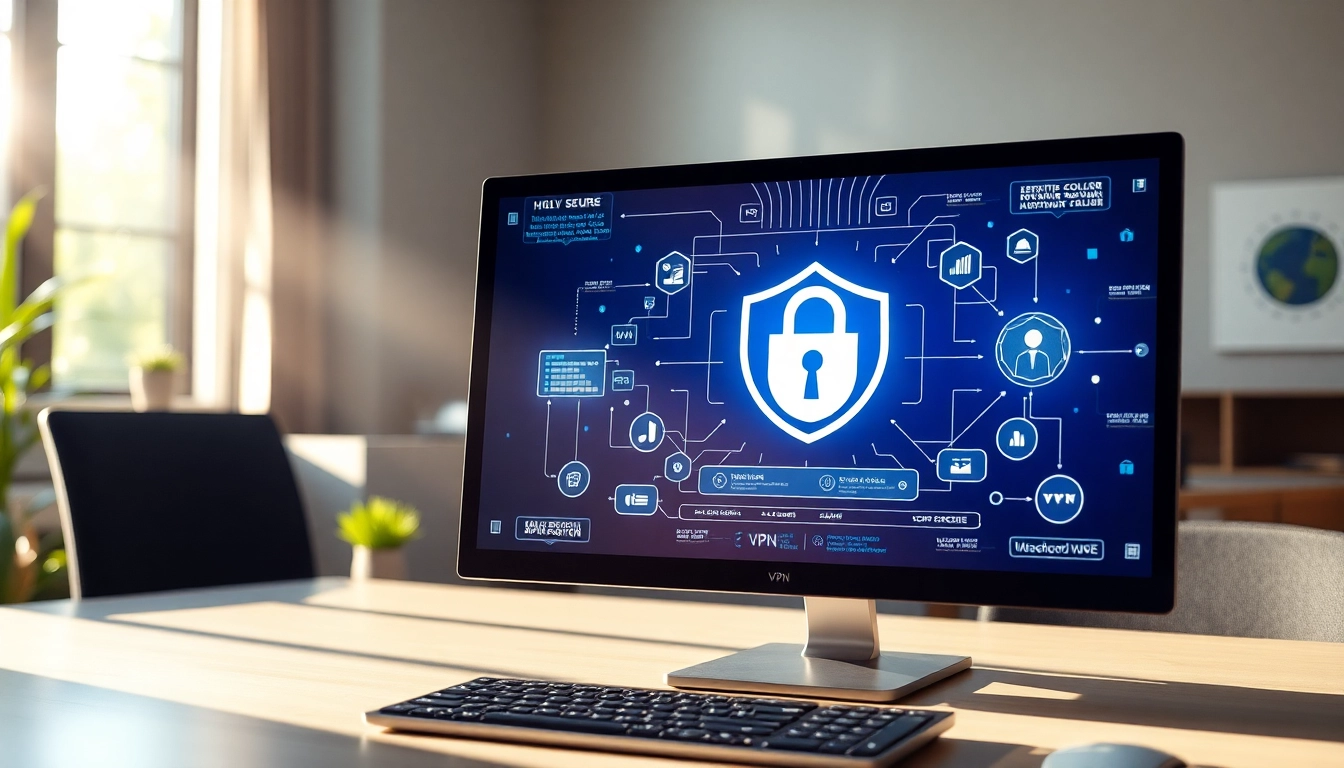
A Virtual Private Network (VPN) is a technology that creates a secure and encrypted connection over a less secure network, such as the internet. By using a VPN, users can send and receive data while maintaining privacy and anonymity. This technology is especially beneficial for safeguarding sensitive information from potential threats, such as cybercriminals and prying eyes.
How VPNs Work
When you connect to a VPN, it routes your internet traffic through a remote server managed by the VPN provider. This process masks your IP address, making your online activities harder to trace. The VPN encrypts your data, converting it into a coded format that can only be decrypted by the intended recipient. This means that even if your data is intercepted, it remains unreadable. In simpler terms, a VPN acts like a funnel that channels your internet traffic through a secure pathway, shielding your information from various threats.
Key Benefits of Using the best vpn
Utilizing the best vpn can offer numerous advantages. First, it enhances your online privacy by hiding your IP address and encrypting your data. Secondly, VPNs provide access to geo-restricted content, enabling users to connect to servers in different locations. Thirdly, they protect your data when using public Wi-Fi networks, where security risks are particularly high. Lastly, many VPNs offer features such as ad-blocking and malware protection, enhancing your online security further.
Choosing the Right VPN Service
Features to Look For
When selecting a VPN service, several key features should be considered. Look for strong encryption protocols, such as AES-256, which is widely regarded as secure. Additionally, a no-logs policy ensures that your online activities are not recorded or stored by the VPN provider. The availability of multiple server locations is also critical for bypassing geographical restrictions. Furthermore, consider the ease of use of the VPN client and whether it supports multiple devices, allowing simultaneous connections across various platforms.
Comparing Pricing Plans
VPN pricing can vary widely based on the features offered. It's essential to compare different plans to determine which service provides the best value for your needs. Many VPN providers offer tiered pricing structures, with lower prices typically associated with long-term subscriptions. Look for services that offer a money-back guarantee, which allows you to test the VPN before committing fully. Additionally, check for any hidden fees or limitations (like bandwidth caps) that may affect your overall satisfaction.
User Reviews and Reputation
Researching user reviews and feedback on VPN services can provide valuable insight into their performance and reliability. Look for reputable review sites and consider feedback from a variety of users. It's also useful to check for any allegations regarding data breaches or lack of transparency, as such issues can indicate potential risks. A well-established VPN provider with a positive reputation is more likely to deliver the reliability and security features you need.
Setting Up Your VPN
Installation Steps
Setting up your VPN typically involves a few straightforward steps. After selecting a provider, download the VPN client from their official website. Follow the installation instructions specific to your operating system, whether it’s Windows, Mac, Android, or iOS. Once installed, launch the application, and you will usually need to log in with your account credentials.
Configuration Options
Most VPN clients offer a range of configuration options to tailor the experience to your needs. You can select the encryption protocol you prefer (though most come with recommended defaults). Additionally, consider adjusting settings for features like the kill switch, which cuts off your internet connection if the VPN drops unexpectedly, ensuring your data remains protected. Review advanced settings, if available, to optimize your connection speed and reliability.
Troubleshooting Common Issues
While using a VPN, you might encounter various issues, such as connection drops or slower internet speeds. Common troubleshooting steps include restarting the VPN client, checking your configuration, or switching servers. If you experience persistent problems, consult the provider’s support documentation or customer service for assistance. Many VPNs also offer live chat support for rapid problem resolution.
Using Your VPN Effectively
Best Practices for Online Privacy
To enhance your online privacy while using a VPN, adhere to several best practices. Always connect to your VPN before accessing the internet, especially when using public networks. Avoid logging into sensitive accounts without a VPN to protect your credentials. Be cautious of the information you share online, even when using a VPN, as it does not eliminate all risks. Additionally, keep your VPN client updated for security patches and performance improvements.
Leveraging Advanced Features
Many VPN providers offer advanced features that enhance the user experience. For instance, Splitting tunneling allows you to route some applications through the VPN while keeping others on your regular network, which can improve speed and performance. DNS leak protection is another vital feature, ensuring that your DNS queries remain private. Familiarize yourself with the capabilities of your VPN to make the most of the service.
Staying Secure on Public Wi-Fi
Public Wi-Fi networks are notoriously insecure, making it essential to use a VPN whenever you connect. Employing the best vpn encrypts your connection, safeguarding your data from interception by malicious actors. Always connect to the VPN before joining a public network, and refrain from accessing sensitive accounts or conducting financial transactions without a secure connection.
Evaluating VPN Performance
Speed and Reliability Tests
Performance is a crucial aspect of any VPN service. To evaluate a VPN's speed and reliability, conduct tests using tools like speedtest.net before and after connecting to the VPN. Record the results and compare them across various servers to identify any patterns. A reliable VPN should maintain acceptable speeds without frequent drops or connectivity issues.
Understanding Logs and Policies
Before selecting a VPN provider, closely examine their logs and privacy policies. A no-logs policy indicates that the provider does not store any of your browsing data, enhancing your privacy. Understanding how a provider handles your data and any requests for information from authorities is vital. Responsible VPN providers make their policies transparent and comply fully with privacy standards.
Assessing Overall Value for Money
Ultimately, choosing the right VPN comes down to assessing overall value for money. This consideration includes examining the features offered, the quality of the customer support, and the effectiveness of the security measures in place. Balance these aspects with the monthly or annual pricing to determine which service provides the best return on investment for your specific needs.
FAQs
1. What is the primary purpose of a VPN?
The primary purpose of a VPN is to create a secure and encrypted connection over the internet, protecting your privacy and data from potential threats.
2. Do I need a VPN for browsing the internet?
While not strictly necessary, using a VPN enhances your online privacy and security, especially when connected to public Wi-Fi networks.
3. Can a VPN help me access restricted content?
Yes, a VPN allows you to bypass geographic restrictions by connecting to servers in different countries, granting access to globally restricted content.
4. Are VPNs legal to use?
Yes, VPNs are legal in most countries. However, some countries have restrictions or regulations regarding their use, so it's essential to verify local laws.
5. How do I choose the right VPN for my needs?
To choose the right VPN, consider features like security protocols, server locations, pricing, and user reviews to ensure it meets your specific needs.