





Understanding Petanque: History and Origins
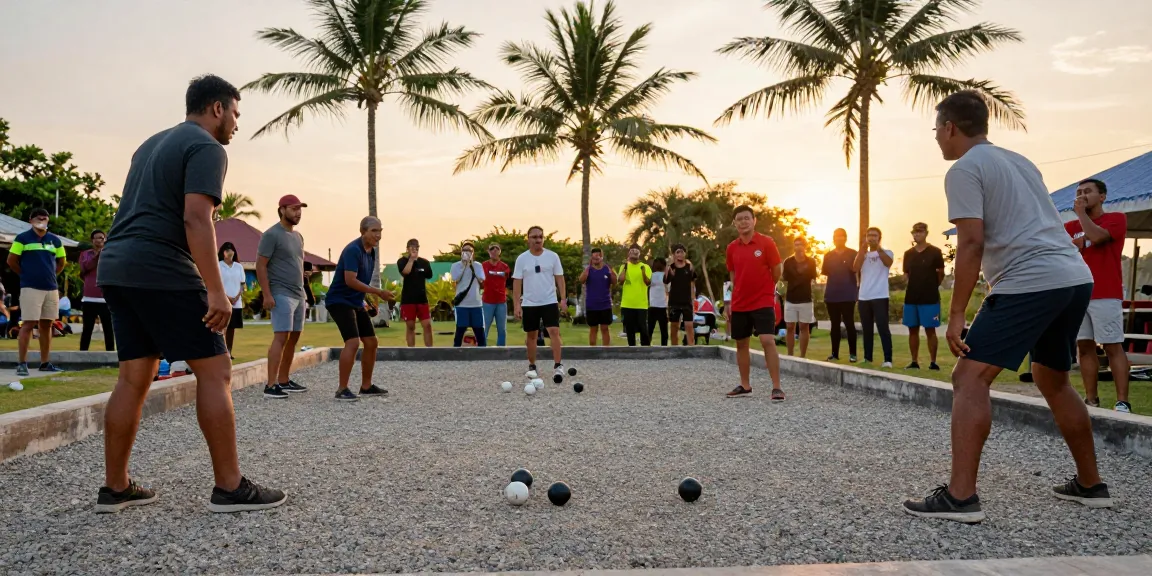
Petanque, a traditional French sport that combines skill, strategy, and a bit of luck, has carved a niche for itself in various corners of the world, including Indonesia. It is a game that requires players to throw metal balls as close as possible to a small wooden target ball, known as the cochonnet. Although its origins date back to the early 20th century in France, the journey of petanque in Indonesia is relatively recent and fascinating. The sport has received increasing interest from both locals and expatriates, particularly through the efforts of organizations like fopikotatarakan.org, which aims to promote and develop this unique athletic discipline.
What is Petanque?
Petanque is not just a game; it is a social activity that fosters camaraderie among players, making it popular in both casual and competitive environments. The game is played on a variety of surfaces, from gravel to grass, and is accessible to people of all ages and skill levels. The simplicity of its rules combined with the strategic depth it offers makes petanque appealing to a wide audience. Players can enjoy the game in a park with friends or participate in organized competitions under the guidance of local federations.
The Historical Journey of Petanque in Indonesia
The introduction of petanque to Indonesia remains a subject of exploration, as the exact timeline is unclear. The sport was brought to the archipelago by French expatriates who constructed facilities in hotels they managed in locations like Jakarta, Lombok, Yogyakarta, and Bali. These venues, such as Hotel Novotel in Kuta and Hotel Horizon Ancol, served as the first arenas for locals to experience the game. This cultural exchange laid the groundwork for the sport’s gradual acceptance within the Indonesian community.
One notable figure in the history of petanque in Indonesia is Eddie Lim, a Singaporean who learned about the game at Ancol in the 1990s. His introduction to petanque marked the beginning of a cross-border passion that would see him promote the sport in Singapore.
Key Milestones in Petanque Development
Petanque’s status in Indonesia rapidly evolved, especially after the country hosted the SEA Games in 2011. This event marked a significant milestone, as petanque was then recognized as a competitive sport under the auspices of the Indonesian government. The establishment of the Federasi Olahraga Petanque Indonesia (FOPI) on March 11, 2011, by the Perusahaan Daerah Pertambangan dan Energi, further legitimized the sport and aimed to cultivate future athletes.
The Structure of FOPI Kota Tarakan
FOPI Kota Tarakan serves as the backbone of petanque development within the region, coordinating activities, training, and competitions aimed at fostering talent and enthusiasm for the sport. The organization operates under the umbrella of FOPI Provinsi Kalimantan Utara and collaborates closely with KONI Kota Tarakan, which is crucial for the sport’s advancement at the local level.
Mission and Vision of FOPI
The mission of FOPI Kota Tarakan is to promote petanque as a widely recognized sport in the region, focusing on inclusivity, accessibility, and excellence. Their vision encompasses creating a vibrant community enjoying and participating in petanque, regardless of age or skill level, thus boosting both the sport’s popularity and community engagement.
Organizational Structure and Leadership
FOPI Kota Tarakan’s organizational structure includes a dedicated leadership team responsible for strategic planning, event management, and athlete training. The leadership is composed of passionate individuals who understand the nuances of both the sport and the community, enabling effective promotion and growth of petanque in Tarakan.
Key Objectives in Developing Petanque
- To organize regular training sessions for both new and experienced players.
- To host local, national, and international competitions that encourage participation.
- To collaborate with schools and educational institutions to introduce petanque to younger audiences.
- To increase awareness of petanque through community outreach programs.
Rules and Regulations of Petanque
For anyone looking to take part in petanque, understanding the rules is essential. The simplicity of the game makes it appealing, yet the nuances require attention to detail, especially in competitive settings.
Basic Rules for New Players
The basic rules of petanque are straightforward: players take turns throwing their boules (metal balls) with the objective of getting as close as possible to the cochonnet. A game typically starts with a player drawing a circle on the ground, within which they must stand to throw their boule. The player whose boule lands closest to the cochonnet earns points, with the game organized into rounds until a designated score is reached.
How to Organize a Petanque Competition
Organizing a petanque competition involves several steps:
- Choose a suitable venue with adequate space and surface.
- Set the date and inform participants of the rules and format of the competition.
- Provide necessary equipment, including boules and cochonnet.
- Ensure proper scoring systems and referees are in place to maintain fairness.
- Promote the event through local networks and social media to attract a larger audience.
Common Misconceptions about Petanque Rules
Many newcomers have misconceptions about petanque, such as the belief that it is merely a casual game. In reality, while petanque can be played informally, it is also a sport governed by strict international regulations maintained by organizations like the Fédération Internationale de Pétanque et Jeu Provençal (FIPJP).
Getting Involved with FOPI Kota Tarakan
For those interested in immersing themselves in the petanque community, FOPI Kota Tarakan offers various pathways to get involved, whether through playing, volunteering, or engaging in community outreach.
How to Join FOPI Activities
Joining FOPI’s activities can be as simple as attending a local training session or participating in community events. Interested individuals can reach out via the contact information provided on their official website or by visiting their events. This open-door policy encourages new participants to explore the sport without hesitation.
Volunteer Opportunities within FOPI
FOPI encourages community involvement and actively seeks volunteers for a variety of roles ranging from event organization to coaching. Volunteering provides an excellent opportunity to learn more about petanque while supporting the growth of the sport in the region.
Building Community through Petanque
Petanque is more than just a sport; it is a medium for building community connections. Through tournaments, recreational play, and training sessions, FOPI fosters an environment where individuals can meet, share experiences, and make lifelong friends.
Future of Petanque in Indonesia
The future of petanque in Indonesia looks promising, with growing interest and increasing participation at all levels. As the sport matures, it is likely to see more organization and recognition within the athletic community.
Emerging Trends in Petanque Sports
One emerging trend is the integration of petanque into school sports programs, encouraging younger generations to engage with the sport. Additionally, technology is starting to play a role in petanque, with electronic scoring systems and video analysis being introduced in competitive environments.
Predictions for Petanque’s Growth in 2026
By 2026, petanque is expected to grow significantly in Indonesia, with the potential for increased participation rates and more international competitions. The sport’s inclusion in national sports events will likely drive further interest, leading to the establishment of more local federations and clubs.
How FOPI is Preparing for Future Events
FOPI is actively working on strategies to enhance training facilities, increase sponsorship, and promote awareness of petanque within the local and national context. This includes outreach programs targeting schools, community centers, and even tourism initiatives to attract participants from outside the region.
What is the history of Petanque in Indonesia?
The history of petanque in Indonesia is relatively short but impactful, tracing its roots back to the late 20th century when it was introduced by expatriates. Its acceptance grew after the SEA Games 2011, marking a turning point in its recognition as a competitive sport.
How can I become a member of FOPI Kota Tarakan?
Individuals interested in becoming members of FOPI Kota Tarakan can reach out through their official website or direct contact. FOPI welcomes players of all levels and offers training and support for newcomers.
What are the benefits of playing Petanque?
Playing petanque offers numerous benefits, including improved hand-eye coordination, social interaction, and strategic thinking. Additionally, it promotes physical activity and helps in forging community ties.
How often does FOPI organize events?
FOPI organizes events regularly, including tournaments, training sessions, and community outreach programs, ensuring there are ample opportunities for participation throughout the year.
What equipment do I need to play Petanque?
To start playing petanque, you need a set of boules, which can be purchased at sporting goods stores or through online retailers, along with a cochonnet. Many beginners start with basic equipment before investing in higher-quality boules as they become more experienced.




More Stories