





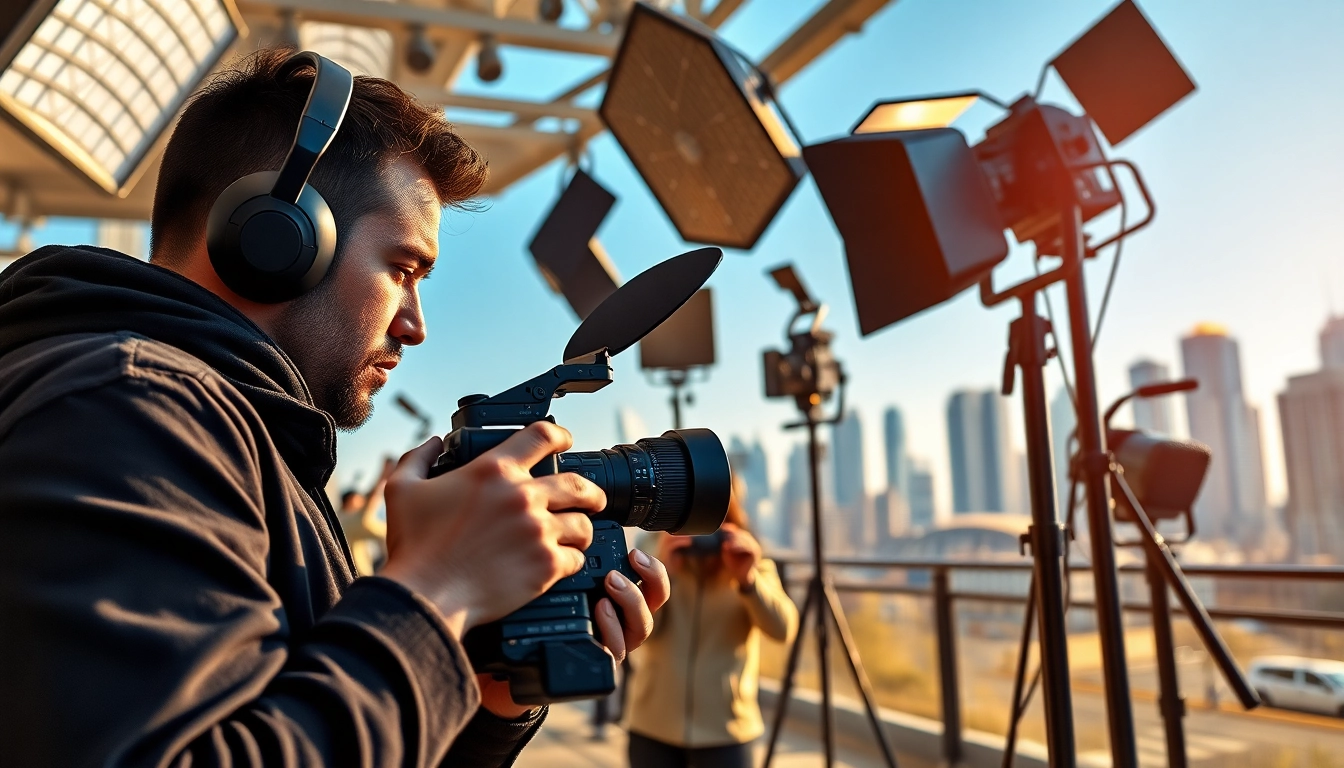
Understanding Video Production Basics
What Is Video Production?
Video production is the process of creating video content for various platforms and purposes. This multifaceted discipline typically encompasses several key stages: pre-production, production, and post-production. During these stages, various professionals collaborate to bring ideas to life through visual storytelling. Whether for marketing, entertainment, or education, effective Video Production can deeply engage audiences and convey messages clearly.
Key Stages of Video Production
The video production process is divided into three main stages:
- Pre-Production: This is where planning begins. Concepts are developed, scripts are written, and storyboards are created. This stage includes securing locations, cast, crew, and equipment.
- Production: This is the filming stage where the actual recording of video and audio takes place. It involves working closely with actors, capturing scenes, and ensuring the technical aspects are in place.
- Post-Production: During this phase, the footage is edited. Editing, sound design, color grading, and the incorporation of visual effects occur here to ensure the final product aligns with the original vision.
Choosing the Right Equipment for Video Production
Choosing the correct equipment is fundamental to successful video production. Key elements to consider include:
- Cameras: Depending on the project, different cameras are suitable. DSLRs for lower budgets, and cinema cameras for professional quality.
- Microphones: Good audio quality is crucial. Consider lapel mics for dialogue-heavy scenes and shotgun mics for versatility.
- Lighting: Invest in LED lights and reflectors to enhance visual quality.
- Stabilization Gear: Gimbals or tripods help achieve steady shots, which are essential during production.
Planning Your Video Production Project
Creating a Video Production Script
A compelling script is the backbone of any successful video. It outlines the narrative and defines the elements of the visual story. Key components include:
- Structure: Ensure a clear beginning, middle, and end.
- Dialogue and Action: Write engaging dialogue that feels natural and synchronizes with the visuals.
- Timing: Consider the pacing, ensuring the script fits within your intended duration.
Storyboarding Techniques for Effective Video Creation
Storyboarding visualizes the flow of the video. It helps in planning scenes and shot compositions. Techniques include:
- Sketching Scenes: Draw rough outlines of key scenes to understand visual transitions.
- Using Software: Tools like Canva or Storyboard That can help create professional storyboards.
- Indicating Motion and Timing: Note movement and timing to make filming smoother.
Budgeting Your Video Production
A well-defined budget is crucial for project success. Consider various cost factors:
- Personnel: Include costs for crew, talent, and any additional staff.
- Equipment Rental/Purchase: Allocate funds based on your needs.
- Post-Production Costs: Include editing, graphics, and music licensing.
- Contingency: Always reserve funds for unexpected expenses.
Filming Techniques in Video Production
Lighting Tips for Stunning Visuals
Good lighting can transform the quality of your video. Here are some tips:
- Natural Light: Utilize available light and supplement with artificial lighting as needed.
- Three-Point Lighting: This setup maximizes control over shadows and highlights.
- Diffusers: Use diffusers to soften harsh lighting and reduce shadows.
Camera Angles and Shots that Engage
The choice of camera angles can significantly impact viewer engagement. Here are some effective techniques:
- Close-ups: Use for emotive moments to draw the audience in.
- Wide Shots: Establish context and settings within the scene.
- Over-the-Shoulder: Provide perspective and connection between characters.
Sound Design: Enhancing Your Video Production
Audio quality is just as important as visual quality. Here’s how to ensure effective sound design:
- Location Sound: Always prioritize capturing clear dialogue.
- Sound Effects: Integrate foley sounds to make scenes more immersive.
- Music Score: A well-chosen soundtrack enriches the emotional resonance of your video.
Post-Production: The Finishing Touches
Editing Basics for Video Production
Edit with an eye for detail, focusing on continuity and narrative flow. Consider these editing methodologies:
- Cutting for Timeliness: Aim for brevity. Keep only necessary scenes to maintain viewer attention.
- Creating Narrative Pace: Adjust pacing through sharp cuts or slow transitions to match the emotional tone.
- Audio Sync: Ensure all audio tracks are perfectly synchronized with visual footage.
Color Grading for Impactful Videos
Color grading enhances mood and aesthetics. Here are key points to consider:
- Understand Color Theory: Different hues evoke varying emotions.
- Software: Use editing software that supports advanced color grading features, like DaVinci Resolve.
- Consistency: Maintain a consistent color palette throughout your video for cohesiveness.
Adding Transitions and Effects
Transitions and effects enhance storytelling but should be used judiciously:
- Simple Cuts: Often the most effective and least distracting.
- Fades and Dissolves: Useful for signaling changes in time or setting.
- Motion Graphics: Can add educational value, especially in instructional videos.
Measuring Success in Video Production
Analyzing Viewer Engagement
Engagement metrics provide insight into how effectively your video communicates. Key metrics include:
- Watch Time: How long viewers stay engaged with your video.
- Views: The total number of times your video has been viewed.
- Comments and Likes: Direct feedback from your audience about their experiences.
Using Metrics to Improve Future Video Production
Utilizing data can inform your future projects. Important aspects include:
- Identify Patterns: Look for trends in viewer preferences and behaviors.
- A/B Testing: Experiment with different formats or styles and measure success.
- Adjust Content Strategy: Pivot based on the data to produce more of what your audience enjoys.
Feedback and Continuous Improvement Strategies
Seek feedback actively and implement it for growth. Consider these strategies:
- Surveys: Ask your audience what they like or would change.
- Peer Review: Share your video with trusted colleagues for constructive criticism.
- Keep Learning: Stay up-to-date with industry trends and techniques through workshops and tutorials.
Frequently Asked Questions
What is the average cost of video production?
The cost varies widely depending on the project scope, ranging from a few hundred to thousands of dollars.
How long does video production take?
The timeline can range from a few days for short videos to several months for complex productions involving extensive planning and editing.
What are the best video formats for online sharing?
Common formats for online videos include MP4 and MOV, as they offer a good balance of quality and file size for web platforms.
Do I need a professional crew for video production?
While a professional crew can enhance quality, small projects can be successfully handled by individuals with the right skills and equipment.
How can I distribute my video content effectively?
Use social media, email newsletters, and video hosting platforms to maximize reach and engagement with your target audience.




More Stories
Captivating Trends Reshaping Arts & Entertainment Today
Mastering Your Sound: A Comprehensive Guide to Online Audio Mastering