





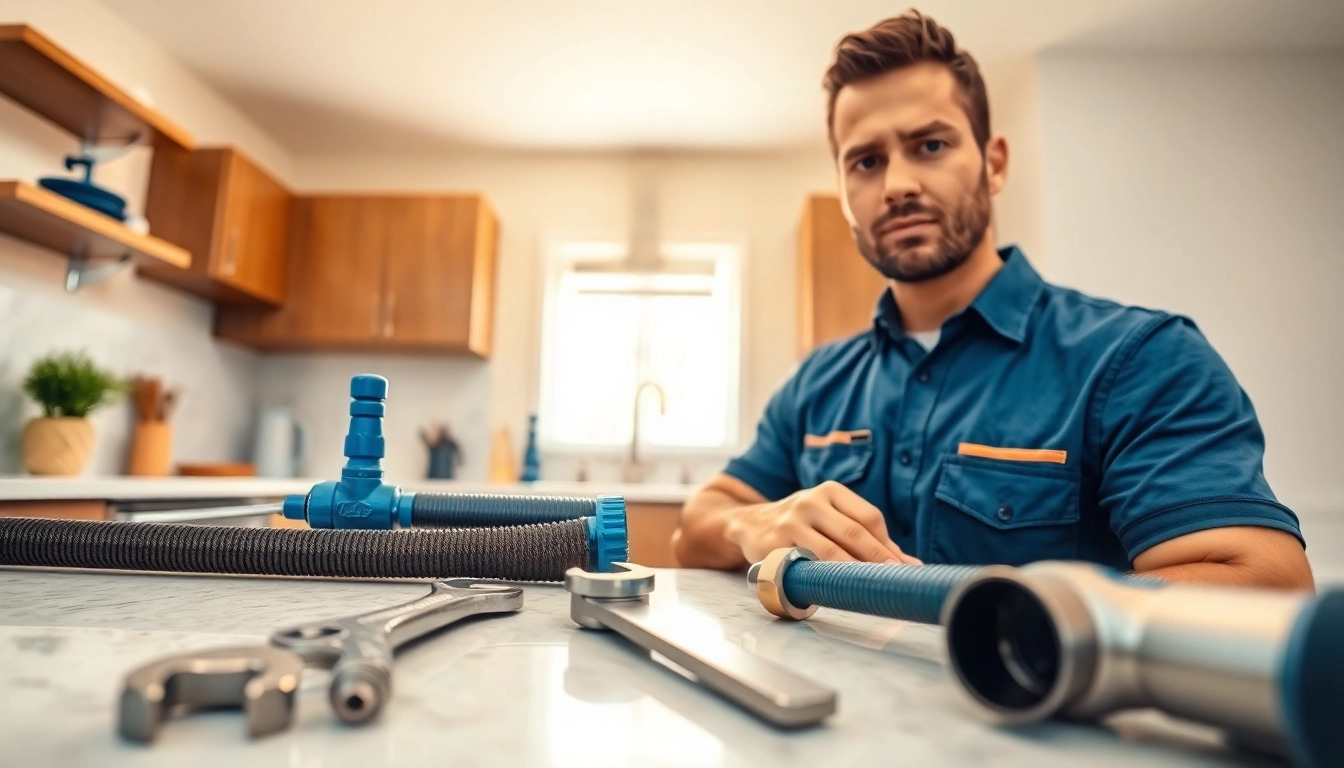
Understanding Whole House Repiping Services Tampa
For homeowners in Tampa Bay, ensuring that plumbing systems function correctly is essential for convenience and safety. The aging infrastructure, corrosion, and leaks can lead to significant issues, prompting the need for whole house repiping services Tampa. But what exactly does repiping entail? Let’s delve into the intricacies of this process.
What is Whole House Repiping?
Whole house repiping is the comprehensive process of replacing the entire plumbing system within a home. This not only involves the main water supply lines but extends to the drainage and waste lines too. Depending on the existing material used, the materials may include copper, PEX (cross-linked polyethylene), or CPVC (chlorinated polyvinyl chloride). The goal is to eliminate leaks, enhance water quality, and improve water pressure throughout the home.
Benefits of Repiping Your Home
Repiping your home has numerous benefits. First and foremost, it significantly reduces the risk of water leaks, which can cause extensive damage to your property. Secondly, modern piping materials like PEX are less susceptible to corrosion and can handle extreme temperatures better than older systems. Additionally, homeowners often notice improved water pressure and quality following repiping. Lastly, repiping can increase the overall value of a home, making it a sound investment for future resale.
Signs You Need Repiping
- Frequent Leaks: If you’re noticing multiple leaks in your plumbing, it may be time to consider repiping.
- Discolored Water: Rusty or brownish water could indicate corrosion in your pipes.
- Low Water Pressure: A significant drop in water pressure can be a sign of pipe blockage or deterioration.
- High Water Bills: Sudden spikes in your water bill might suggest water leaks somewhere in the system.
- Old Piping Material: Homes built before the 1980s may still have outdated pipe materials that are prone to failure.
Choosing the Right Materials for Repiping
Piping Options Overview
Selecting the correct type of piping materials is crucial for the longevity and efficiency of your plumbing system. The three primary materials used in repiping projects are copper, PEX, and CPVC. Each has its advantages and drawbacks, and the choice will largely depend on specific needs and local building codes.
Comparing Copper, PEX, and CPVC
| Material | Advantages | Disadvantages |
|---|---|---|
| Copper | Durable, heat-resistant, and recyclable | Higher initial cost and susceptibility to corrosion |
| PEX | Flexible, resistant to scale and chlorine, lower cost | Not UV resistant and may not be approved for all building codes |
| CPVC | Low cost, easy to install, and resistant to corrosion | Less durable under extreme temperatures |
Choosing Durable and Cost-Effective Solutions
When choosing the right piping material, consider factors such as installation cost, longevity, and the specific needs of your home. Generally, while initial costs for copper can be high, its durability and longevity make it a worthwhile investment. On the other hand, PEX and CPVC offer cost-effective and resilient alternatives that can stand the test of time, making them popular options for homeowners.
The Whole House Repiping Process
Initial Assessment and Diagnosis
The repiping process begins with a comprehensive assessment of your current plumbing system. A qualified plumber will evaluate existing pipes, identify any leaks or corrosion issues, and determine the extent of the work required. During this phase, they will also provide you with a detailed estimate, including material and labor costs.
Preparation and Planning Stages
After the initial assessment, the preparation phase starts. This includes obtaining any needed permits if required by local regulations, selecting the piping materials, and planning the installation schedule. Homeowners will also need to clear areas of the house where repiping will take place to facilitate the work.
Installation and Final Testing
The installation phase typically involves isolating sections of the plumbing system, replacing old pipes with the chosen new material, and ensuring all connections are secure. Once the installation is complete, thorough testing will take place to check for leaks and confirm that water flow meets acceptable standards before restoring water service to the home.
Post-Repiping Considerations
Maintaining Your New Plumbing
After successfully completing the repiping, emphasis should be placed on maintaining your new plumbing. Regular inspections and maintenance can help catch problems early and avoid costly repairs down the line. Installing water softeners and regularly checking for leaks are practical steps to consider.
Common Issues After Repiping
After repiping, homeowners may experience temporary issues such as air pockets in the plumbing, minor adjustments to water pressure, or sediment that may have accumulated during the installation process. These issues can be typically resolved with some straightforward adjustments and flushing of the system.
When to Schedule Routine Inspections
It is advisable to schedule routine inspections every couple of years after repiping to ensure the system is performing efficiently. Regular check-ups help identify potential issues early on, ensuring your plumbing system lasts longer and remains problem-free.
Frequently Asked Questions About Repiping
How long does whole house repiping take?
The time required for whole house repiping can vary widely but typically takes between 1 to 5 days depending on the size of the home and the complexity of the plumbing system.
What is the cost of whole house repiping services Tampa?
The cost of whole house repiping varies based on material choice and house size, ranging from $4,000 to $15,000. Consulting with professionals can provide a more accurate estimate tailored to your situation.
Will repiping affect my water pressure?
In most cases, repiping improves water pressure. If there were issues with the previous pipes, switching to modern materials often results in better flow and pressure throughout the home.
Can I repipe my home myself?
While some may attempt DIY repiping, it is highly recommended to hire professionals. Plumbing systems are complex, and improper installation can lead to significant issues and costly repairs.
How often should repiping be considered?
Repiping is usually recommended every 30-50 years depending on pipe material and environmental factors. However, signs like leaks and water discoloration may necessitate earlier intervention.




More Stories
“linkvip66 Explained: The One-Page Summary You Need in 2026 for Trusted Home Services”
Before You Start luck 8: Read This First for Trusted Gaming Experiences
The 2026 IPTV Service Handbook for Families Seeking Quality Streaming