




Understanding the Importance of Good Posture
In our fast-paced world dominated by technology, the significance of maintaining good posture has never been more crucial. With most people spending hours at desks, the risk of developing poor posture increases. This article will delve deep into what good posture is, the impact of poor posture on our health, and how a posture corrector can aid in fostering better alignment and overall well-being.
What is Posture?
Posture refers to the position in which we hold our bodies when standing, sitting, or lying down. It encompasses how we align our bones, muscles, and joints in relation to one another. Good posture involves maintaining a neutral spine, where the legitimate curve of the spine is preserved, supporting the body’s overall structure and function. Bad posture, on the other hand, may include slumping, leaning excessively forward, or rounding the shoulders, which can cause strain and malalignment over time.
Consequences of Poor Posture
The ramifications of poor posture can be extensive and multifaceted. They can include:
- Musculoskeletal Pain: Chronic back, neck, and shoulder pain are common outcomes of poor posture. The muscles must work harder to support the body when not aligned correctly, leading to fatigue and discomfort.
- Reduced Mobility: Poor posture can restrict flexibility and movement, making everyday tasks more challenging over time.
- Digestive Issues: Slouching can compress internal organs and disrupt digestive processes, leading to discomfort and slower digestion.
- Cardiovascular Strain: A misaligned spine can affect lung capacity, resulting in shallow breathing and reduced oxygen intake, potentially straining the cardiovascular system.
- Negatively Impacted Mood: Studies have shown a correlation between posture and mental health, with slumped posture being linked to increased feelings of sadness and anxiety.
Benefits of Proper Posture
Conversely, adopting and maintaining good posture yields numerous health benefits:
- Improved Comfort: Proper alignment helps to alleviate pain and discomfort in the back, neck, and joints.
- Enhanced Confidence: Standing tall and maintaining a strong posture can boost self-esteem and project confidence in social interactions.
- Increased Energy Levels: Good posture allows for better blood flow and oxygenation, leading to increased energy and reduced fatigue.
- Better Digestion: With proper posture, internal organs are aligned correctly, facilitating optimal digestive function.
- Enhanced Athletic Performance: Proper body alignment can lead to better performance in sports and physical activities, reducing the risk of injury.
What is a Posture Corrector?
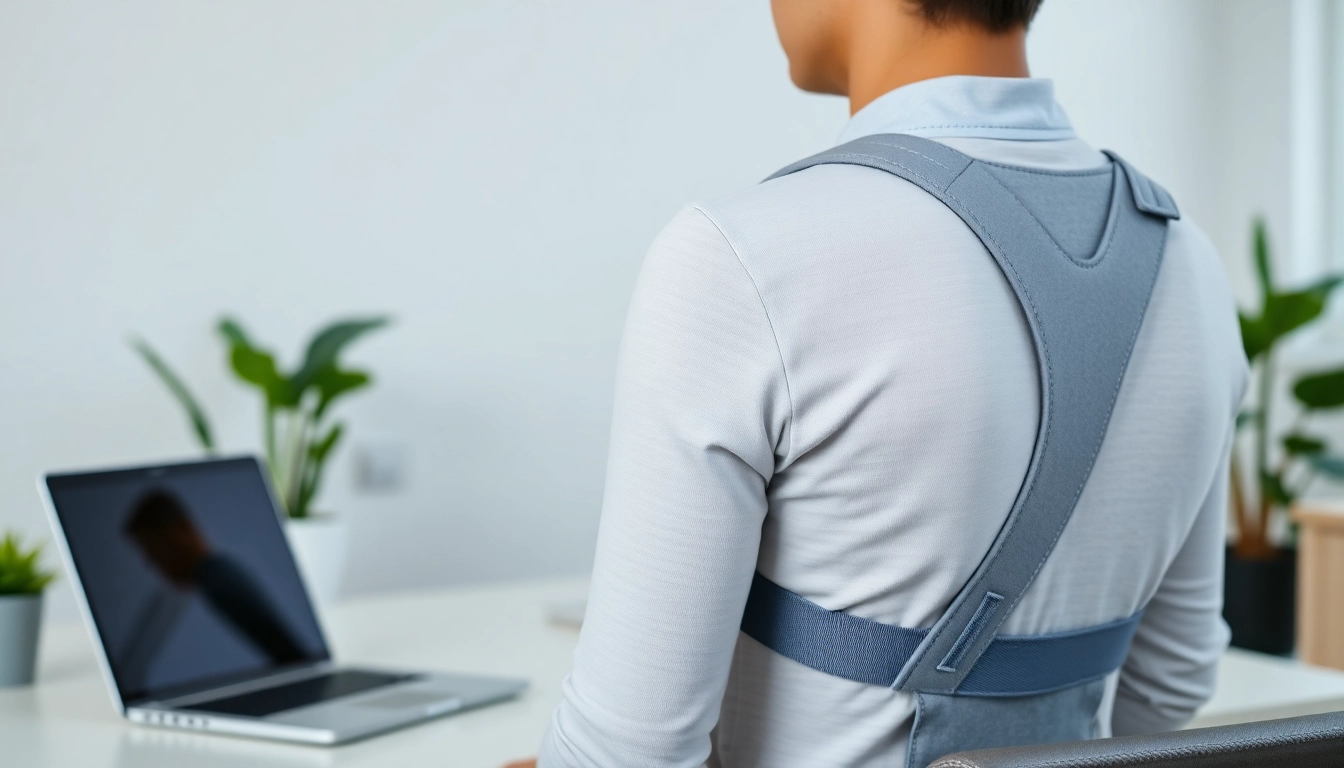
A posture corrector is a device designed to help individuals maintain or improve their posture. It is particularly beneficial for those who sit for extended periods or have developed poor posture due to habits or physical conditions. Posture correctors are available in various forms, including braces, straps, and wearable devices.
Types of Posture Correctors
There are several types of posture correctors, each serving different purposes and target audiences:
- Shoulder Straps: These are lightweight devices that fit over the shoulders and can be worn discreetly under clothing. They gently pull the shoulders back, promoting better spine alignment.
- Back Braces: Back braces provide more support and are often recommended for those with chronic back pain. They help to stabilize the spine while encouraging proper posture.
- Smart Posture Devices: These tech-enhanced devices use sensors to monitor your posture in real-time, providing alerts when slumping occurs. They are often worn as clips or straps.
- Posture Shirts: Made of elastic materials, these shirts offer gentle compression, aligning the spine and shoulders to improve posture while providing comfort.
How They Work
Posture correctors function by providing support and gentle reminders to maintain proper alignment. Through physical support, they promote awareness of body positioning. Some devices may provide added tension that serves as a reminder to engage core muscles and align the spine appropriately. The goal is to retrain habitual movements and ultimately develop a muscular memory for good posture.
Who Can Benefit?
Posture correctors can benefit a broad range of individuals, including:
- Office Workers: Those who spend extended periods at desks can often fall into habits of slouching, making them prime candidates for posture correctors.
- Individuals with Back Pain: If someone suffers from chronic back pain, a posture corrector can assist in alleviating stress on the spine.
- Students: Prolonged studying and computer use can lead to developing poor posture, making posture correctors helpful for students.
- Athletes: Improving posture can enhance performance, and athletes may use posture correctors to maintain proper alignment during training.
Choosing the Right Posture Corrector
Selecting the appropriate posture corrector is essential for effective use. With many options available, it’s important to consider specific needs and preferences before making a choice.
Key Features to Look For
When choosing a posture corrector, keep these features in mind:
- Comfort: Look for breathable materials and adjustable straps for comfort during prolonged use.
- Size Options: Ensure the posture corrector is available in multiple sizes to fit your body type appropriately.
- Support Level: Depending on your need, select a model that offers the right level of support, whether it’s gentle reminders or firm bracing.
- Discreetness: If you plan to wear it under clothing, opt for a design that is slim and easy to conceal.
Common Mistakes to Avoid
When using a posture corrector, avoid common pitfalls that can undermine its effectiveness:
- Overreliance: Relying too heavily on a posture corrector can hinder the development of core strength. Use it as a training aid rather than a crutch.
- Inconsistent Use: Infrequent use won’t yield results. Consistency is key in reaping the benefits.
- Ignoring Discomfort: If you experience pain or discomfort, reevaluate the fit and adjust as necessary.
Personalizing Your Choice
Finding the right posture corrector should involve personal preferences and lifestyle choices. Consider these factors when making your decision:
- Daily Activities: Evaluate how often and when you will wear the posture corrector based on work and personal activities.
- Personal Style: Choose a design that aligns with your style preferences, aiming for something that you feel good wearing.
- Long-Term Goals: Identify whether you are seeking short-term relief or aiming to develop long-lasting ergonomic habits.
Integrating a Posture Corrector into Your Daily Routine
Incorporating a posture corrector into your lifestyle requires plans and strategies to ensure success. Here’s how you can seamlessly integrate it.
Step-by-Step Guide for Beginners
1. Set Clear Goals: Determine what you want to achieve by using a posture corrector. Are you aiming to relieve pain or develop better habits?
2. Start Slowly: Begin with short wearing sessions, gradually increasing the duration as your body adjusts.
3. Pair with Reminders: Use visual or audible reminders when wearing the device to maintain awareness of your posture.
Combining with Exercises
Integrating exercises that strengthen the core and back will enhance the effectiveness of your posture corrector:
- Planks: Build core strength through planks to support the spine.
- Back Extensions: Promote spinal strength through back extension exercises.
- Stretching: Implement daily stretching routines to maintain flexibility and prevent stiffness.
Monitoring Your Progress
To assess the effectiveness of your posture corrector, keep a journal documenting your posture improvements, comfort levels, and pain reductions. Regularly evaluating your progress will help you stay motivated and focused on your goals.
FAQs About Posture Correctors
How long should I wear a posture corrector?
It’s recommended to start wearing a posture corrector for about 30 minutes daily, gradually increasing the duration as your body adjusts. Listen to your body; comfort is key.
Can posture correctors help with back pain?
Yes, posture correctors can alleviate back pain by promoting proper spinal alignment and reducing strain on the back muscles. They work effectively as part of a holistic approach to posture management.
Are posture correctors suitable for everyone?
Most individuals can benefit from posture correctors, but those with severe spinal conditions should consult with a healthcare professional to determine the best option for their specific needs.
How do I know if my posture corrector fits properly?
A properly fitting posture corrector should provide support without causing discomfort or pain. Adjustable straps should allow for snugness without restricting movement.
Can using a posture corrector improve my overall health?
Yes, in addition to enhancing posture, posture correctors can contribute to better spinal health, reduced pain and discomfort, improved breathing, and overall well-being.




More Stories
6 Expert-Approved SC88 Health Strategies for Optimal Wellness in 2026
How to Save Time and Money with ALO8’s Luxurious Spa Services in 2026
10 Best Tips for Effective 수지출장마사지 Techniques in 2026